
Start at the threshold
Notice what the entrance makes you do: pause, climb, turn or look up. Describe the effect before naming a style. A route through a house depends on permitted access, not a floor plan copied from an old publication.
Follow daylight and structure
Compare the Horta Museum with the Autrique House using light, stairs and materials. Sketch a direction rather than touching a surface. Separate original construction, restoration and the museum’s present scenography in your notes.
An urban building carries several times
The Maison du Roi’s nineteenth-century appearance and its older site history belong together but are not the same date. The French and Dutch names help ask which history each remembers.
Make a comparison sheet
Use three columns: observable feature, museum explanation, open question. After two buildings, underline an idea that changed. Check reservations and mobility needs independently for each location; a common architect does not imply common visitor rules.
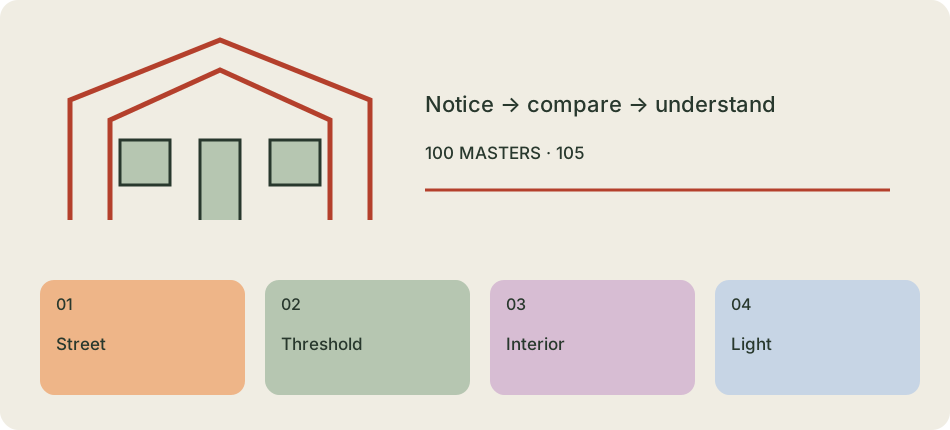
- Street — Begin with the building’s public face.
- Threshold — Notice the change from outside to inside.
- Interior — Follow a permitted route through rooms.
- Light — Compare illumination and materials.