The list is an identification tool
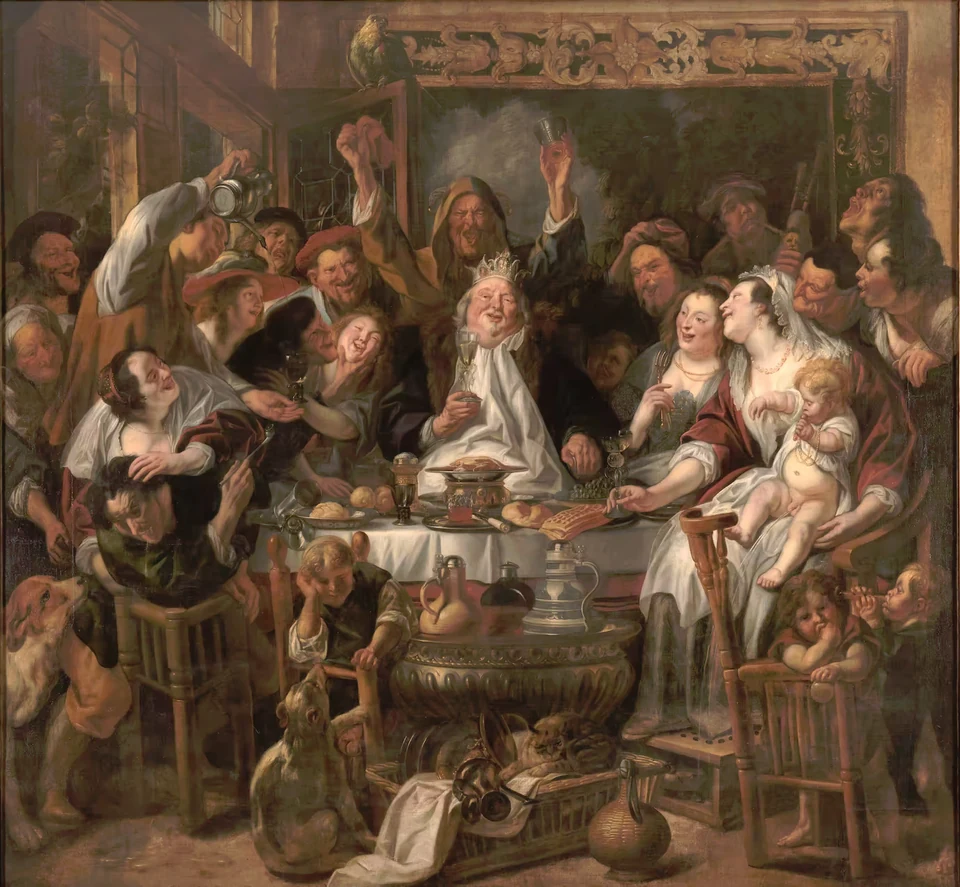
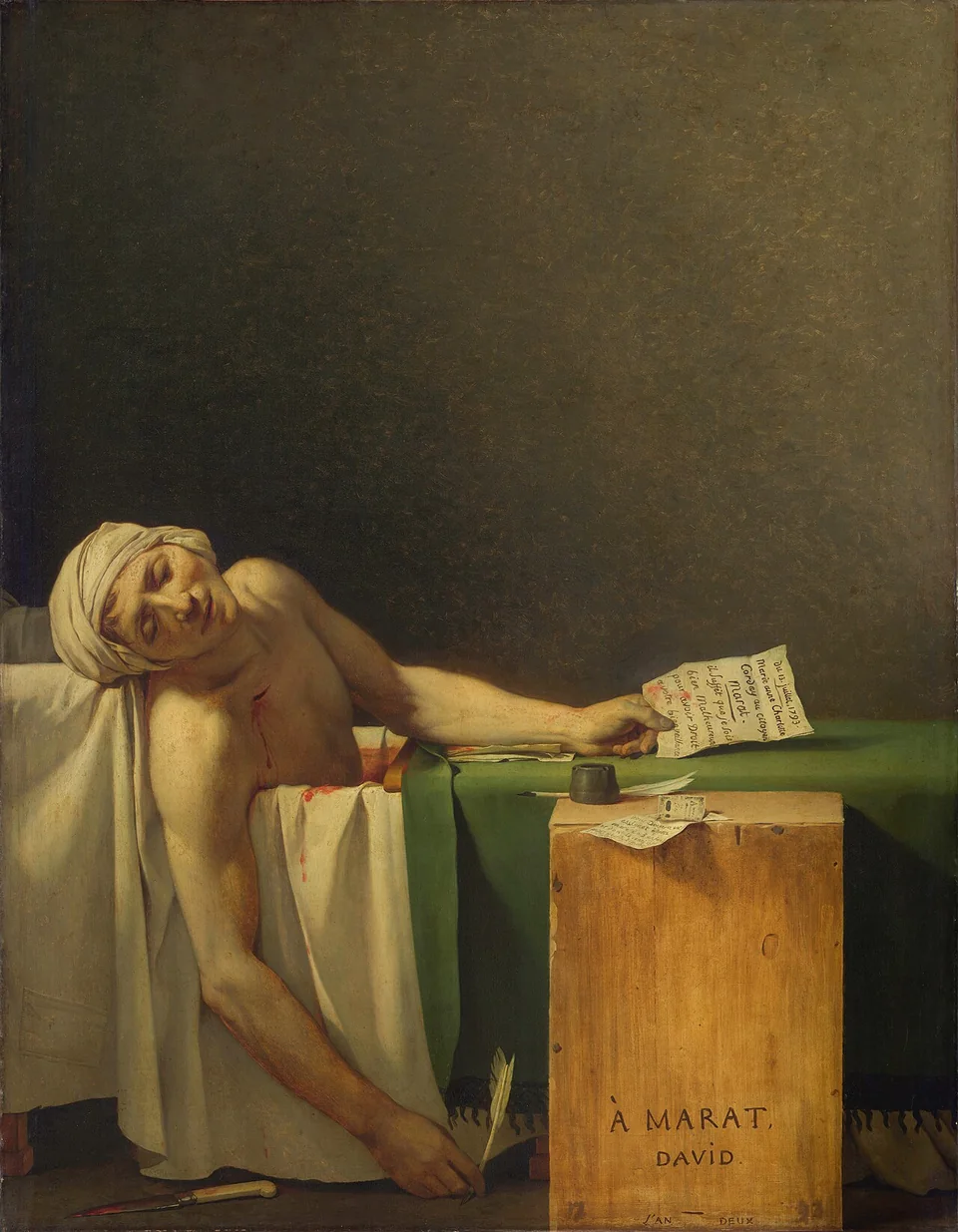
The museum’s original document names 22 works and supplies materials, inventory numbers and locations at that time. Our reference cards below preserve the identification data, with links to the new object notes. Inventory numbers are more useful than title alone when distinguishing versions of Magritte, Jordaens or another frequently reproduced work. A date absent from the source stays absent rather than being guessed.
Try a question about gesture
Compare Van der Weyden’s Pietà, Rubens’s Road to Calvary and Meunier’s Firedamp. The task is not to rank a medieval panel, a painted canvas and a bronze. Write how a hand supports, directs or carries weight in each. Then separate an observed gesture from the historical subject supplied by a museum record. If all three are not currently accessible, choose an available pair and keep the same question.
Try a question about material
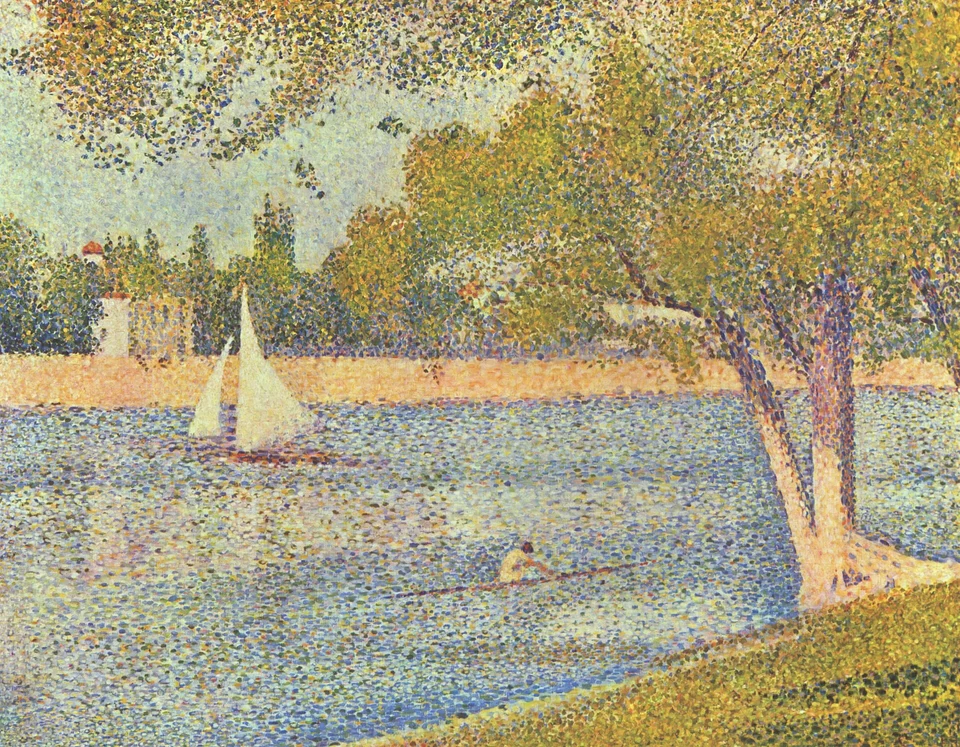
Compare Seurat’s oil painting, Khnopff’s pastel and Spilliaert’s ink and pastel. Look for an edge, a coloured area and the relation to the support. Do not infer surface from a compressed online reproduction alone. Alternatively, compare Broodthaers’s mussel shells with Mucha’s bronze and malachite: an everyday material and a decorated bust raise different questions about use and presentation.
Understand the modern-art presentation
Five works by Dalí, Broodthaers, Bacon, Delvaux and Servranckx were brought together in a particular 2016 Patio presentation. That press release is evidence of an exhibition, not proof that they still hang together. Check current collection presentation and ticket scope before planning a single route across Old Masters, Magritte and other collections.
Leave with a short, usable record
Save three object entries, check current display, and write one question under each. Record the inventory number beside the title. After the visit, add one observation you could not have made from a screen and one issue left unresolved. This turns a long historical list into a manageable visit without treating every catalogue entry as a compulsory stop.
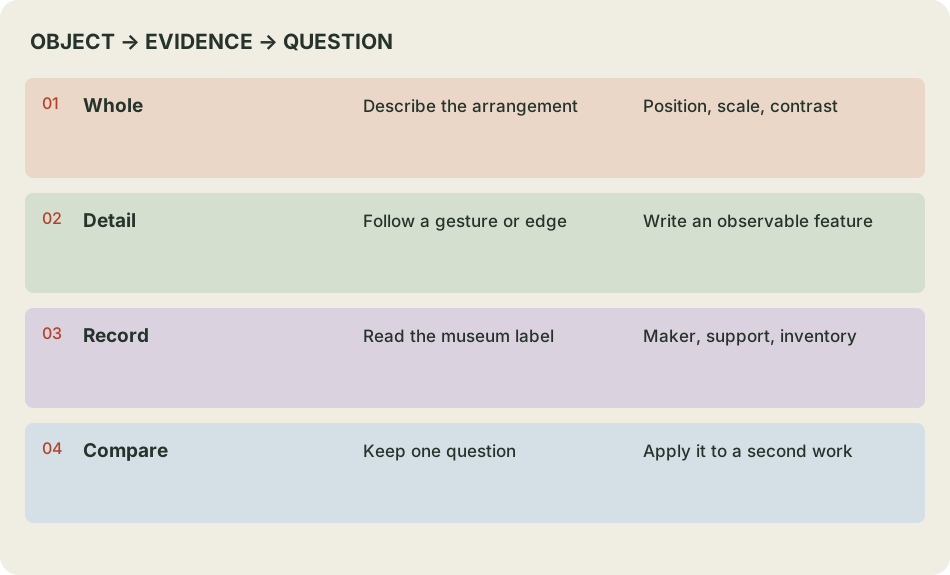
- Whole — Describe the arrangement. Position, scale, contrast.
- Detail — Follow a gesture or edge. Write an observable feature.
- Record — Read the museum label. Maker, support, inventory.
- Compare — Keep one question. Apply it to a second work.
Keep exploring
- Pietà
- The road to Calvary
- Firedamp
- The River Seine At La Grande Jatte
- Memories
- The Bather
- Red Pot Of Mussels
- Nature. Pagan Deity
- The temptation of Saint Anthony
- Pygmalion
- Opus 47. Exaltation Of Mechanisation
- Pope With Owls